
Cover Reveal! Fired Up, Frantic, and Freaked Out
I asked here before for help in titling the new book, and you guys were beyond helpful. And now here’s the result, in glorious full color:
I asked here before for help in titling the new book, and you guys were beyond helpful. And now here’s the result, in glorious full color:

That’s why I’m asking you to help me find one that resonates.

We interrupt this blog for a word from our sponsors!
I’ll be in Wisconsin in a couple of weeks for a Core Clicker Seminar, a two-day hands-on intensive workshop for beginning to intermediate trainers and handlers. This is, if I say so myself, a pretty good training seminar. 🙂 And there are still a few working (and auditing) spots open!

So all that chat in Part 1 about how to avoid creating problems while socializing a puppy was nice, but you’ve got an adult dog — and whether you made some socialization mistakes or whether you inherited a bad socialization legacy along with the dog, things just aren’t the way they should be. Is there hope?
Yes, of course there’s hope! But again, here is where mistakes happen in the name of “socialization.” Don’t make them.

That’s a typo, right? I mean, a professional trainer would never advocate against socialization, right?
You’d be surprised.
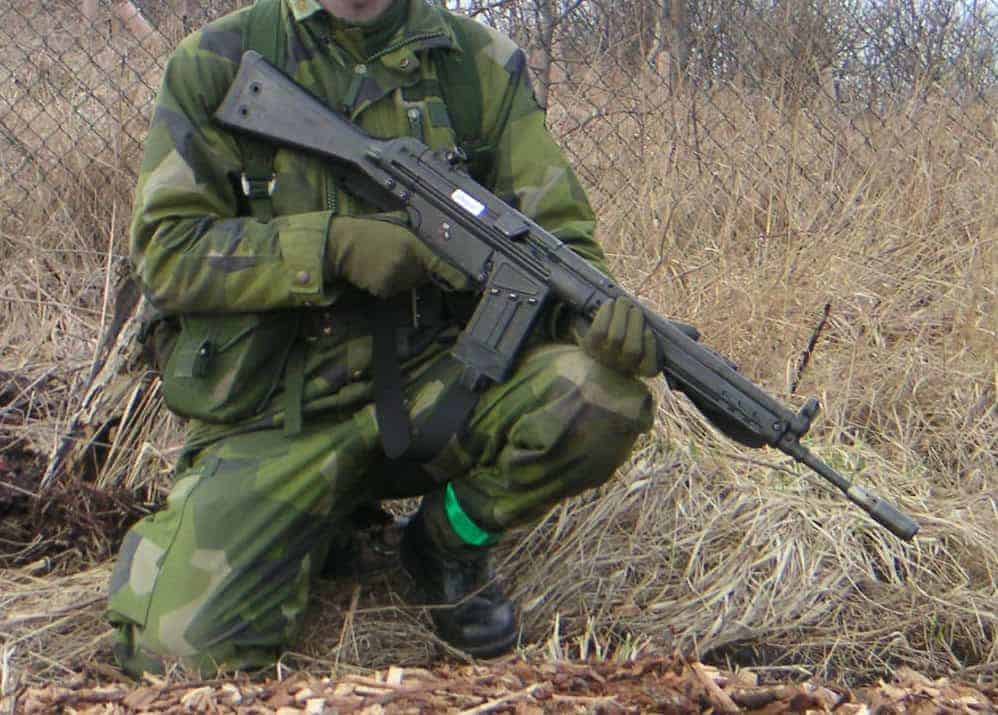
 In mid-October, I embarked upon a new learning experience — handling and shooting a firearm. I spent nearly a year and a half researching this prospect, deciding if it were a path I wanted to start down, and I’d decided firmly that if I were to have a gun, I would train to a high level of fluency and competency.
Imagine my delight, then, when among the usual trash advice dispensed to newbies in any sport or hobby, I encountered some truly fantastic, behaviorally-sound recommendations for learning to shoot and handle safely.


Do you want reliable trained behaviors? Do you want your learner to enjoy the experience and crave more learning? Borrow some ideas from the best.


Whether it’s a new puppy or a newly adopted adult dog, many new pet owners want to immediately start showing off their new dog, and with justifiable pride. But sometimes their approach can make the transition more difficult than it needs to be.

Today’s riddle: How is a 5-year-old human like a spotted hyena? (Aside from eating habits and destructive potential!)

Like many dog owners, I’ve gotten spoiled by having a mature, well-trained dog in the house. Naturally, when we first bring home a new member of the family, we are obsessed with teaching all sorts of critical foundation skills (targeting, door and leash manners, handling exercises, and so on). But once those initial behaviors are in place, we give them little thought because we’re too busy focusing on performance behaviors, or working skills, or the next cute pet trick — whatever our particular venue may be.
What this means is that once I’ve taught my dog the way I need her to comport herself in the house, I get lazy. I do things I would never think of doing with a novice dog. And fortunately, our style of training holds up brilliantly in real-life situations — which, as a matter of fact, is why I still have the load of groceries I bought tonight.