Skip to content
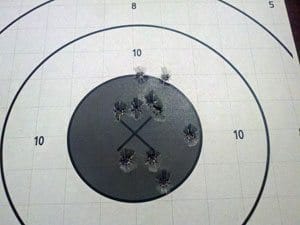
One of my targets from today

TAGteach for Firearm Safety and Shooting

    This entry is part 1 of 3 in the series CT for Shooting
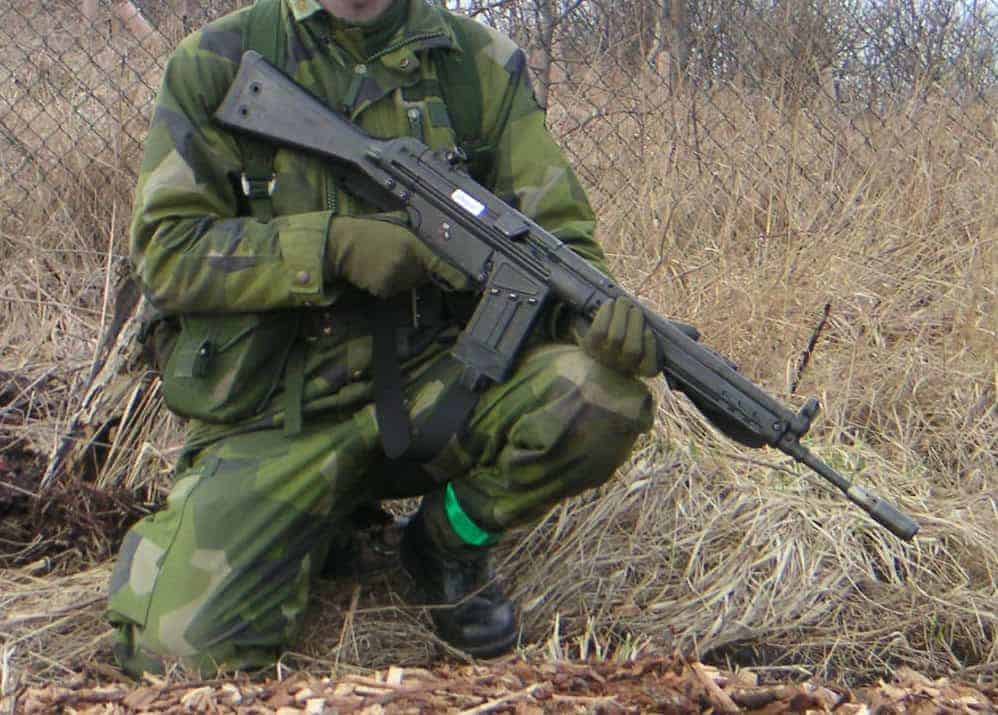
    Stock image. (My target’s at the bottom of the post.)

    It took me a long, long time of deciding first to actually buy a handgun and then to choose a model. The entire year and a half was filled with behavioral self-assessment and training plans — this was one area where my professional skills have been put to good use!

    Laev, after faux holiday destruction

    Advertisement Photoshoot — or, Faking a Naughty Dog

      Laev, after faux holiday destructionI had a great idea for a training advertisement, all seasonal and humorous. And I had a great photographer to hand. To shoot it, however, we’d need to take a crazy, fractious dog who had been trained to polite house manners and make her look again like a stereotypical “bad dog.”

      It was a ton of fun.

      Sound OC for Firearm Safety

        This entry is part 2 of 3 in the series CT for Shooting

        In mid-October, I embarked upon a new learning experience — handling and shooting a firearm. I spent nearly a year and a half researching this prospect, deciding if it were a path I wanted to start down, and I’d decided firmly that if I were to have a gun, I would train to a high level of fluency and competency.

        Imagine my delight, then, when among the usual trash advice dispensed to newbies in any sport or hobby, I encountered some truly fantastic, behaviorally-sound recommendations for learning to shoot and handle safely.

        The Exploitation of the Mind

          Today’s riddle: How is a 5-year-old human like a spotted hyena? (Aside from eating habits and destructive potential!)

          dive bomber pushup

          Getting My Butt In Gear And Into Shape — Training Myself

            This entry is part 1 of 2 in the series Behavior Training & Physical Training: OC for Fitness

            One of the toughest things about being a behavior professional is that one doesn’t have many excuses. When I do something stupid, I can easily identify it and the triggers (if any) and a way to avoid it the next time by choosing an alternate behavior instead. That doesn’t mean I will, but it means I can, and then I can feel a bit stupid again for failing to choose the better behavior.

            It also means I know better than to feel bad about a past decision instead of simply focusing on new behavior. But, y’know, the cycle repeats.

            Right now, though, I’m applying my professional knowledge with good results, and I’m blogging here to keep up my motivation and, maybe, help someone else do something similar!

            Valenzia and groceries

            Why We Teach House Manners — Or, Good Training Should Be Idiot-Proof

              Like many dog owners, I’ve gotten spoiled by having a mature, well-trained dog in the house. Naturally, when we first bring home a new member of the family, we are obsessed with teaching all sorts of critical foundation skills (targeting, door and leash manners, handling exercises, and so on). But once those initial behaviors are in place, we give them little thought because we’re too busy focusing on performance behaviors, or working skills, or the next cute pet trick — whatever our particular venue may be.

              What this means is that once I’ve taught my dog the way I need her to comport herself in the house, I get lazy. I do things I would never think of doing with a novice dog. And fortunately, our style of training holds up brilliantly in real-life situations — which, as a matter of fact, is why I still have the load of groceries I bought tonight.
              Don’t Hook Up With Your Mistakes. (No, it’s not a dating post!)

                This is a "thought bubble". It is an...
                (Photo credit: Wikipedia)

                We emphasize focusing on the positive in clicker training — not pointing out  a mistake, but determining a concrete, alternate behavior instead. In dog manners training, this often appears as replacing “don’t jump” with “sit to greet.”

                But really, what’s the harm in pointing out a mistake? Sometimes we have to know what’s wrong so we know to avoid it, right? And surely we humans are smart enough to think through the big picture?

                Eh, not so much.