Skip to content

Dice as Training Tools

    This entry is part 1 of 1 in the series Training Tools

    To train an animal, you really need only two things: a marker it can recognize, and something it wants as reinforcement.

    To train an animal efficiently, you need a way to track and plan your sessions, or you’ll waste time in moving too quickly (confusing your learner) or moving too slowly (frustrating you both).

    Dice five
    (Photo credit: @Doug88888)

    There are many ways to do this, of course, but I just got home from Gen Con, the world’s largest gaming convention, and I thought I’d mention some less common planning tools you might not have seen.

    Updates on the Dogs

      This entry is part 4 of 8 in the series Cancer & the Fight

      And here’s your irregular update on Shakespeare and Laevatein….

      Laevatein has no idea she’s sick. Aside from lethargy about 36-48 hours after her chemo — during which she’s merely sleepy, and doesn’t seem to feel ill except for just once — she’s living a totally normal life. We’ll hope the chemo does its thing and pushes the lymphoma into remission. In the meantime, we are so very glad we did our relaxation work with the mat before now, because I don’t know what our frequent clinic visits would be without it!

      For Shakespeare, we’re just looking for as many good days as we can get — but so far, we’re getting more than expected! Yesterday marked FIVE WEEKS from his diagnosis with a prediction of as little as three weeks to live, so we’re very pleased. His jaw is distorted and swollen, and he’s having to work harder at eating and drinking, but the pain meds seem to be doing the trick and his attitude is pretty good, his routine pretty similar to what it’s been for the last year.

      And I was told that his appetite would be the primary barometer of how he’s doing, that we should start making the tough decisions when he feels too bad to eat. (The cancer is in his jaw, so pain while eating is going to be a big factor.) But this is what Shakespeare looks like at suppertime:


      What's left of Valenzia's collar

      Why I Plan for Failure

        One of the great precepts of clicker training is to set the training subject up for success. As a trainer, you never want to put your dog (or other trainee) in a situation she’s not ready for, or ask her to perform a task she might fail. Failure isn’t instructive for the learner, and it can be very frustrating, which can be a major setback to your training.

        But just because we don’t make failure a part of the training process doesn’t mean it’s not on our minds. Anything can happen in real life — unforeseen distractions, accidents, equipment failure and numerous other complications can interfere with our plans. We have to have a contingency plan in case something goes wrong. This is why we train fail-safe behaviors!

        Why Do Dogs Lick?

          Do you know a dog who licks surfaces, people, or himself? A lot? Dr. Magnusson and I talk about why over at the Leo’s Pet Care blog. Check it out!

          Waylaid by a Rimadyl Overdose

            Normally, the Rimadyl wouldn’t even have been in the house.

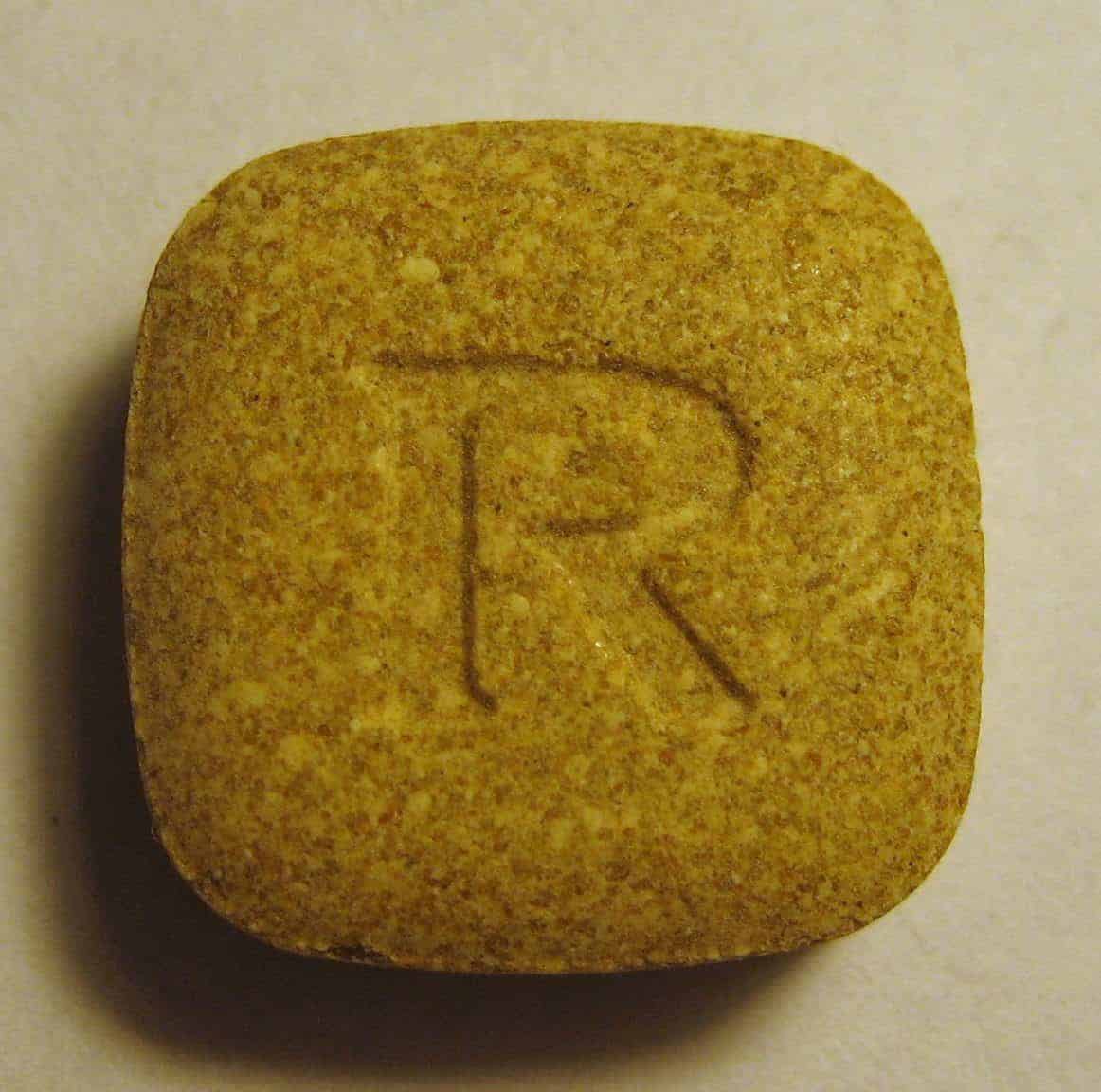
            A 100 mg Rimadyl pill bought in the United Sta...
            (Photo credit: Wikipedia)

            I personally don’t like carprofen for my dogs, due to the potential liver damage (which, I’ve read, Dobermans may be more susceptible to than some other breeds), and we tend to use other anti-inflamnatories when necessary. But Shakespeare was given as little as 3 weeks to live, and living long enough to develop liver problems would be a win anyway, so I brought home Rimadyl to keep him as comfortable as possible.

            It didn’t even occur to me to ask if it came in a non-flavored version. My dogs are , and a regular capsule would have been much safer than bringing a liver-flavored drug into a house with Laev on prednisone, giving her chronic munchies and motivating her to new heights of counter-surfing.

            Movies & Monkey Pellets

              I need to stick at least one actual behavior post in here between medical updates, I think, so here’s one from the creative side of things.

              Besides my day job in training and behavior, I also write fiction. I just spent three days at the Midwest Writers Workshop, charging up my creative batteries and getting new techniques for revision and for developing ideas. And while I didn’t run into this Joss Whedon quote there, it was brought to mind again:

              Our Cancer Fights

                So I’m making this a series, so we can connect all the cancer-related posts for anyone interested and in case it helps anyone later on. I really, really wanted to call this series “Kicking Cancer in the Teeth,” but I thought that might be tempting fate a little too viciously. But it’s the attitude I’m bringing, just the same.

                First, thank you for all the prayers, good wishes, and support. I really appreciate it!

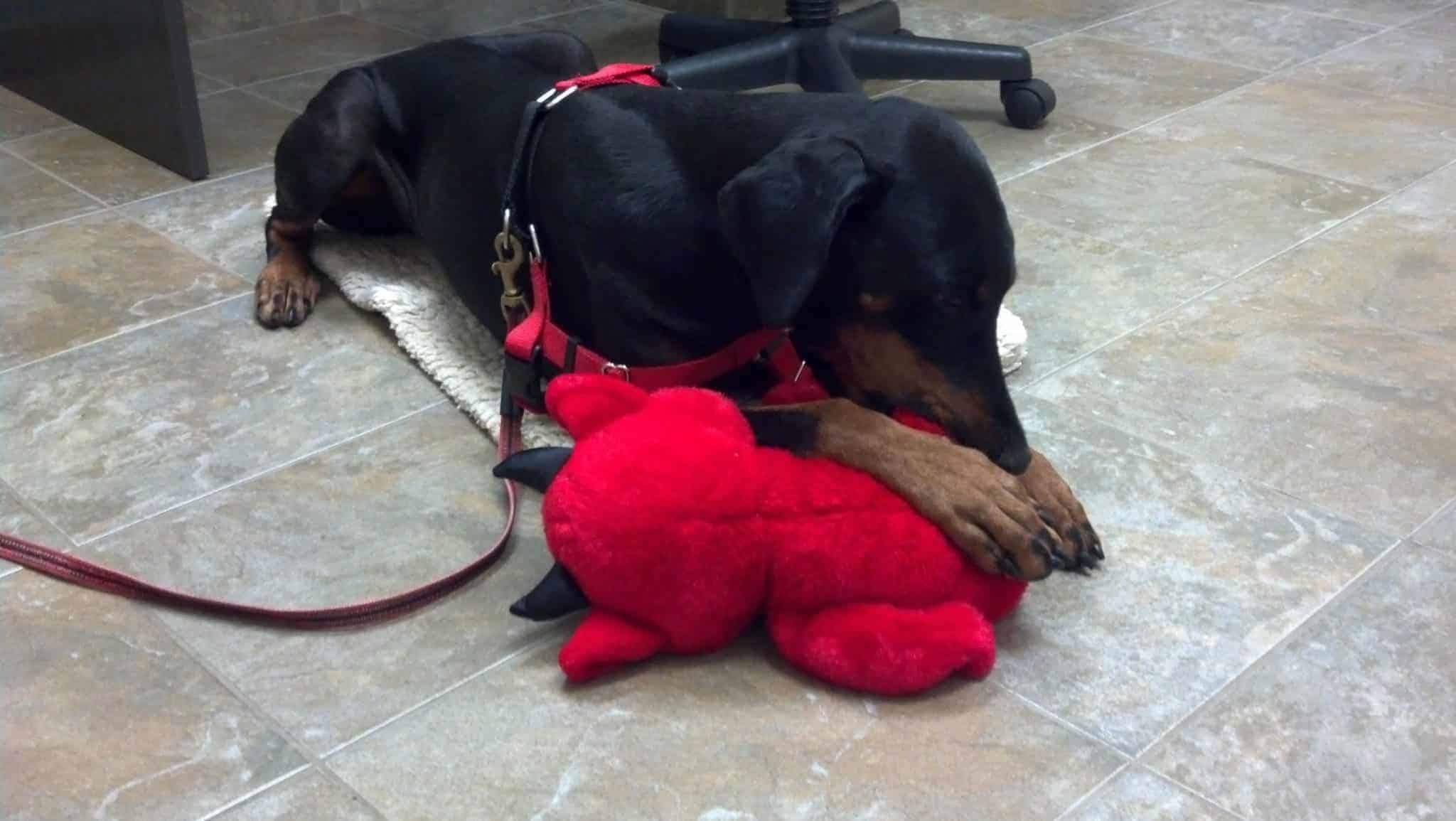
                After a bit of settling, Laev was able to take the toy and fluff it into a soothing pacifier. Good girl!

                Sad news: my sick dogs

                  Cytology from a needle aspiration biopsy of a ...
                  Cytology from a needle aspiration biopsy of a lymph node of a dog with lymphoma.

                  Not quite sure how to start this one, so I guess I’ll just jump in…. Laevatein has terminal cancer. Lymphoma.

                  She was just diagnosed, when a vet found somewhat-enlarged lymph nodes during a routine exam. “I have to mention the c-word,” she said, “but she really doesn’t present like a cancer dog.” Indeed not; Laev is 8, but she’s quite active (she spent about 4 hours Sunday night circling and jumping, trying to work out how to reach a critter in a tree) and looks sleek and shiny. We figured some sort of tick-borne disease was more likely and ordered panels to test.

                  But the biopsies came back as lymphoma. Two weeks later, her lymph nodes are already large enough to visibly distort her silhouette in front and rear. Monday we met with the oncologist, discussed options, got further tests (cancer has likely spread to spleen and lungs, but not liver), and started chemotherapy.

                  Easy Medicating, or How I Learned To Stop Worrying and Love the i-Click

                    Dogs
                    Caution: Old Post.

                    (This is an old blog post, originally dated December 4, 2005. I’m copying it from my now-defunct Puppy and a Plan blog to here, as I know some like to reference it.)

                    Laev had an inflammation of the third eyelid which was matting her eyes with nasty stuff, so we got some ointment on Nov. 21 for treatment. I had visions of wrestling with a ever-larger puppy to insert goo, and this was compounded by my own eyeball hangup (I’m one of those people who can listen to fingernails on a blackboard, but don’t talk about eyeball contact).

                    Well, heck, I’m fresh off ClickerExpo and a series of wonderful workshops with video footage of tigers volunteering to get stuck with 6″ needles. What kind of lousy trainer am I if I can’t convince my dog to handle this minimally invasive procedure?

                    Fear is Funny. No, really, it can be funny.

                      Zombies as portrayed in the movie Night of the...
                      Night of the Living Dead (Photo credit: Wikipedia)

                      So I watched a scary movie, and while the soundtrack swelled and the people around me screamed and jumped in their seats and my heart pounded, I was thinking about behavior. There’s a good chance I need professional help. (But in the meantime, I have blog posts.)

                      Yes, a room full of people watching a horror film can be a great example of an important behavioral concept. Let’s talk about the third of the Four F’s.